Follow Jessica

Showing posts with label stigma. Show all posts

Friday, 7 August 2015

We Can Work It Out...Or can we? Talking About my Mental Health at Work

Stephen Fry, Patron of Time to Change and mental health advocate

In June, when Stephen Fry appeared on Desert Island discs (which, if you haven’t heard of it, is a fantastic way to glimpse the biographies of the world’s good and great through their reflections on life and 8 discs they would choose to accompany them if they happened to be cast away on a desert island). He talked about the impact of his mental health on his life. He also talked about his decision to be open about his condition, recognising (to paraphrase) that he is never free of thinking of his mental health or others’ through his decision to be open about it. 


I sympathise with this perspective, because I would very much like to be free of my own mental illness and to go through life with a normal amount of woe, (whatever a normal amount is) balanced against a reasonable ability to cope with whatever life may drag, toss, push, cajole or offer into my path.
This is the kind of conversation I can so easily have with myself, again and again.

At the moment, however, I am still handling poor mental health every day, and I am more than happy to speak about it in the hope that it will help me to accept myself as I am, rather than embracing all the defective qualities I find it so easy to discover in myself. More than this, I hope that my decision to be open will help other people at work be more open about their illnesses, and I especially hope that it will help managers, leaders and HR professionals (the people whose job it is to support us at work) to see that depression and anxiety do not exclude a person from being able to make a valuable contribution to the working world.


I “came out” at work last year after realising that to go on hiding a condition that left me at times debilitated and unable to get out of bed from my employers only fostered my own strong sense that I was actually a failure, hopeless, useless and no good for anything or anyone. I set myself extremely high standards, nurtured since my earliest memories, for everything that I do, and when I considered the risk that, in coming out with my depression, I might find visible proof that others saw me as “less than”, “weak”, “to be avoided”, I only wanted to crawl further beneath the duvet, to barricade the windows with blackout blinds seven fold and never to come out again, rather than to take that risk.

It's not actually wallowing. It's drowning.

I had had bad experiences at work previously when struggling with my depression, which you can read about earlier in my blog and also in the piece I contributed to Buzzfeed this week about my precarious route along the tangled wiry cables of a life spiked with barbs of depression towards being honest about it to myself and others. It was when I experienced bullying from people outside of my company which left me so destroyed that I did not want to live, that I finally got help in hospital. And it was during recovery and return to work that I realised that I would only protect those bullies and harm myself if I didn’t try to put across my point of view, and show that I was still Jessica, depression, anxiety, and all.

Sometimes I feel this way; mostly I have to work not to hide it, 
as well as deciding whether I have the energy to smile

I have heard many negative stories from people who have been terribly treated by someone from their employer when they have tried to express their needs for support because of their mental illness. It enrages me when I imagine the huge step a person has to take to ask for help because of a (still very much stigmatised) mental illness. I am ashamed for the human race that people wilfully (at times) harm people with mental illness when they refuse support or (at best) to ignore requests for help. 

Despite the funny message intended, being a boss 
who doesn't support colleagues and staff's health needs  is not acceptable.
An atmosphere at work where there is too little support is toxic and unproductive

What makes it worse is that when I am struggling with depression the last thing I want to do, instinctively, is to draw attention to it publicly, because my self-loathing and acute awareness of everything weak and bad in myself is so heightened that I am seething with the physical sensations that this brings, and feel sure that others must be able to see that I am totally worthless. To be refused support only perpetuates this notion. To be told to “pull yourself together” makes me fall farther apart.
It's easy to believe this when you are struggling with depression.
It's so easy that I can believe everyone else will have the same low opinion of me
that I can have of myself

So what would I suggest to those people? Not everyone will have a positive experience when speaking about their mental health at work…but if you are ill you need to take whatever steps are needed to try to get well, whether that is medication, therapy, time off work, adjusted working hours, adjustments to the way that you work. You should be able to get these. 
I believe that everyone has the right to support at work, with illness
and that everyone has the right to work without fear of discrimination

I understand that you might not want to speak up or ask for help, naming your need as a mental illness, because you feel the weight of your own self-hatred holding you back, and you are afraid that you’ll be met with stigma, be shamed, be devalued, perhaps even lose your job.

I can only say, you are not wrong to ask for help. You deserve help. You are worth it, even if you have never felt more worthless. You can seek help from Remploy (in the UK) and other mental health work information sites which provide information for you on your rights and give helpful advice on how to speak to your employers about your needs. (And, on the Remploy site, there is also a downloadable advice leaflet for employers, so if you’re reading this and wondering how better to support your staff, please take a look at this, and use the Mind website and helpline for further information.)

Remploy and other sites can help to reassure us that we do have rights,
and can (and should) expect support for our needs
(Mind's legal line can also advise on what to do, you can reach them on 0300 466 6463) 

In my experience, I continue to have to “come out” throughout my working life, because my job means that I’m frequently working with different teams of people who don’t know me or the fact that I have health reasons for needing adjustments to the way that I work. I try to do this in a fairly ‘light’ way, because I have work to do, firstly, and if we have a thirty minute conversation about my depression and medication, that’s not something I’m going to be able to put on my status update to my manager as a positive outcome. (Although, I can put it in this blog and feel a little bit glad that I continued to be honest when it was hard!) I want to be seen as the sum of my parts, and depression is still just one part of who I am, the pink and purple hair-streaked business woman who likes to write, sing, paint, eat good food and drink good wine, buy far too many pairs of shoes, run in the park and watch endless films and TV shows on Netflix, and read good literature and totally crap novels.

The crucial point: I am not denying that my mental illness is part of who I am.

I am who I am...depression, pink hair and all

Towards the end of that episode of Desert Island Discs, presenter Kirsty Young asked Stephen Fry, “You’ve more than hinted earlier that much of the torment you’ve gone through is why you are the person you are. If you had the choice to live without your bipolar condition, what choice would you make?”
“Interesting" he answered. "I wouldn’t want anyone to underestimate the seriousness of a condition like that it can shorten lives, sometimes traumatically and terribly. It can have a terrible effect on families and people around you, but it’s so hard to separate it from oneself. W. H. Auden perhaps put it best. He said, “Don’t get rid of my devils because my angels will go too.””


I am still trying to be well, and on and on it goes. Tomorrow and tomorrow and tomorrow perhaps my depression will go. I am so lucky that I have had the chance to learn that, whatever I may think of myself in my darkest times, my illness is real and worthy of treatment, care and respect. And because not everyone has that experience (not even me, all the time, from everyone) I am going to carry on talking about it. Here, and on Twitter @volette and on Facebook, and face to face. I hope you might be able to join me one day.


Tuesday, 27 January 2015

We Need to Talk About Mental Illness: Time to Talk Day - 5th February 2015

February 5th is Time To Change (@timetochange 's #TimeToTalk day), encouraging people to take 5 minutes out of their day to have a conversation about mental health.


It's something that people find hard to talk about, myself included, despite this blog and my media appearances over the last year. There are still large numbers of people to whom mental illness is something to be feared or looked down upon. I've met people who have avoided me after learning that I have depression; I've met people who appeared to think that suffering in this way affected my ability to do my job at all, and who saw it as a red flag, requiring decision making to be taken completely out of my hands. And I've met friends and acquaintances who have not understood and have kindly suggested that I 'pull myself together'. And so on.


When I suffer acute depression episodes one of the things that I find hardest is that I often suffer from feelings of acute defectiveness and failure:

"I'm depressed, there's something intrinsically wrong with me."
"I'm depressed, I will never get better, I have failed as a human being."
"Why can't I just feel better? I'm always lurching back into doom."
"I'm so anxious that I feel physically sick and can't focus on anything; I'm no good and I'll never be able to do anything properly."


In the summer of last year, when I was so ill that I agreed with my psychiatrist that the best course of action was to go into hospital to have more intensive treatment and rest from all the external forces worsening my depression, most particularly the bullying I was experiencing, I had to decide whether to talk about what was happening to me or not. I thought carefully about the people in my life who were my friends, and what would change if they knew that I was depressed. The negative thoughts that I've listed above are completely false in many ways, but I was so depressed and anxious that I needed help to get rid of them. They made me sick with fear that I would lose the friends I so cherish and love, and constantly tearful at the state that I was in,


On the other hand, I didn't want to keep my illness a secret because it was contributing to my illness. I didn't want to accept that it was something to be ashamed of, and something that I should be hiding from other people. Those very perceptions were only exacerbating my illness, because the effort to conceal my true state required something close to the superhuman. The smiles, the jokes, the well turned out woman with styled hair, made up face, with the pretty work dresses and the fabulous shoes (I will never not be wearing fabulous shoes. I'm addicted.) These were my friends and if I had a hope of being better part of that was to be more open about my own illness and how I was feeling. I was afraid of rejection. I was terrified of being seen as a failure and as someone who was damaged. But I wanted to be honest. So I 'came out' from my hiding place and told them.

"Dear friends,

As some of you know I have been having a hard time at work recently with some bullying and difficult people, which has made me very upset. Unfortunately because I also suffer from depression I've now come to the point where I can't cope anymore with working.

I've decided with the help of my superb doctors and counsellor to go into hospital to recover from some of the impacts of this situation. I will probably be in hospital for 1-2 weeks, we think.

I would love to receive text messages or messages of support during this time - and of course, despite its very inconvenient location - you are most welcome (and encouraged by my doctor) to visit. However I won't expect this as I know many of you might find it difficult. 

I hope you understand why I wanted to be honest with this with you and I hope that you can support me.

Sending much love xxx Jessica"

At the time of writing this email, I cried. I cried when my mobile rang a minute or two later with a call from one of my friends ringing in response. I couldn't answer the phone because I was crying, and I cried when I heard the answerphone message sending love and reassurance that my condition didn't affect our friendship at all. And still I cried.

Why did I cry so much? I think it was because I did not believe that my friends would stick by me, someone who was defective and a failure. Who wants to spend time with someone who's so down in the dumps that they have to go into hospital? Who wants to be friends with someone who's been bullied? Doesn't that mean that there's something wrong with me?

No.

Had I not sent the email above I don't think I would have made as much progress in hospital learning that the negative thoughts above were symptoms of my depression and not fact. Had I not told the truth I would have been holding back on my recovery. And when I did tell the truth I realised that I could be myself - illness and all - and I would still have support from those who cared enough about me to understand, or to learn more about what it really means to have a mental illness, and those at work ready and willing to listen - many more people than I expected.


More than this, though, was the aftermath. I have gradually become braver about talking about my condition. I have made myself speak to the press about my experiences as a way of training me to talk to others about my condition and how I need adjustments to help me to deal with it. And I hope that I will continue to get better at talking about mental health, because I am an example of how there is no one-size-fits-all mental illness sufferer. We come in all states, shapes and sizes. 


So, along with other supporters of #timetotalk, on 5th February I will be spending a good part of the day having 'honest conversations' at work about my mental health and about mental health in general. I will be inviting my husband to dinner and talking to him about mental health, something which he has had to learn about through nearly 10 years with me suffering the ups and downs of depression, anxiety, medications of different kinds and their varying side effects. I will be speaking to my family about it through email, phone calls and posts on Facebook, and I will be tweeting @volette to record my thoughts throughout the day.


I feel I must keep talking about mental health to try to help myself accept myself as I am, styled or dishevelled, weeping and weary or well. And I want to try to help others understand the complexities of these illnesses and the impacts that they may have on sufferers, from the personal perspective I can offer. I would love you to join in with this conversation and spare 5 minutes on 5th February have a conversation about mental health. Whether you're a sufferer, know someone who is, or know nothing about it at all, it's so important that we keep the conversation going. Taking the time to talk will make a difference. Perhaps more than you know. 

Tuesday, 20 January 2015

Head Clutching Headlines: Let's Change the Picture

One of the many other people (I think of them as friends, though they don't know me, nor I them, and we've never met except on Twitter) who tweet about mental health (their own and in general), @sectioned_, recently posted about the phenomenon of the #'headclutcher' photograph that so often accompanies mental health news. You've seen them before: a picture of a woman or man looking down and holding their head in their hands. This is often the image that is printed alongside such articles if the subject is mental health in general, rather than a specific issue such as having an eating disorder (cue photos of scales or magazines with size zero models on their pages) or self-harming (cue photos of scarred arms).

This man must be depressed. He can't do anything, in fact, because his hands are glued to his face.

I was recently profiled in an article about the January Blues and luckily they used a picture of someone staring out of a window rather than clutching their head. But still, I don't gaze out of windows all day, every day. And if you're my employer reading this, then, seriously, I don't do that all day, every day. Because I am working and getting on with things! The only time I look out of the window is to confirm that, yes, it is still January, still cold, still dark, still damp, and that it would be much better to stay inside where it's nice and cosy.

Window gazing. You can read the article on the January blues here.

I have been feeling very up and down recently, but I have not once held my head in my hands over the last couple of weeks. I may have stayed in bed watching The Good Wife (which is very good, by the way. They should consider renaming it The Good Good Wife), I may have gone to the shops without makeup because I couldn't be bothered to make any effort to look good, or I may have travelled to a lunch with friends made up and looking smart and just about as un-depressed as any image of me could seem.
The Good wife. It's really good. And what a poker face.

Appearances are deceptive though. I felt dreadfully ill recently when I went and met friends, and barely made it through the afternoon with the constant taste of metal and nausea that anxiety brings, coupled with the terrible lurch in my stomach of dread of being discovered or not discovered in my wretched state of un-wellness. I think all I want when I feel depressed is to not want to feel depressed. It's boring for one thing, but on the other hand, as @_sectioned and others have put it, once people know I'm depressed I don't know what to do with myself in their company.

Another headclutcher. And he doesn't have any furniture either. How awful.

People try to make helpful suggestions about getting exercise and looking after myself - and these are all the right things to be doing. However, at my lowest ebb I just cannot take any advice because I'm already having enough problems breathing in and out and not favouring the thought that if I didn't wake up tomorrow that would be a lot better than if I did and had to endure another day of this interminable sadness and despondency.

"Why the mustard, why?"

The problem worsens in company where there is a need to make some sort of decision about how to be seen. I remember Alastair Campbell, again, recalling a colleague who told him something like "You're always laughing, you can't be depressed" or near enough. Gladly, Baroness Jolly (you've got to laugh at this, really, haven't you?) recently debated on behalf of the government on the issue mental health. But Parliament couldn't quite resist the opportunity to post its news alongside the above picture of a man who, in my opinion, is merely clutching his head to get away from the dreadful taste of whomever decided mustard was a good colour scheme for a room. And then Baroness went on her way back to being a character from the Mister Men.

Little Miss Baroness Jolly

If we apply this to other life experiences rather than illnesses, and, again I turn to the Good Wife, but you can choose your own example, what are people supposed to look like in a certain state? A woman whose husband has been unfaithful to her but has to stand in the public eye supporting him. What is that supposed to look like? Is she supposed to look stern / serious but well turned out? I suppose so. And I suppose that when she does the trash magazines will have headlines that call her 'Brave' and 'Putting on a Brave Face' whereas when she's taking the bins out and can't be bothered to change out of her pyjamas and slippers, or put makeup on she's 'Struggling' or 'In Crisis'.

"Pammy Loses It" versus "Pammy Gets New Tits"

So, what, does that mean that when I feel like laughing I should suppress it, and when I feel like crying I should be sure to go out into the world so everyone can see the tears running down my face? I don't think that's going to get me any promotions at work, but it's also not realistic. I am not crying all the time. (And when I am, no one sees me apart from my husband, because there's a part of my subconscious which radically co-opts every ounce of adrenaline within me to not cry in front of other people when I'm really feeling at my very worst.) I'm probably not smiling all the time, but who is, apart from clowns with painted faces (whom we all know are scary to most people!). What I am doing, as I've said before, is just going through the motions.

I participated in a Time to Change survey on whether people think #headclutcher images are helpful in presenting mental health sufferers accurately. You can probably guess what I thought. Read more about what they're doing here.

"Not only am I depressed, I'm stuck in a yoga pose I can't get out of. Sob."

But I'm not clutching my head. How would I be typing this blog or going to work, washing my face, eating, dressing, if I had to do that all day? Really. I'm not clutching my head. I'm just feeling rubbish. Or not. You can't tell. No one can. And maybe I don't want you to know anyway.

Monday, 1 December 2014

Darkness Visible, and the Black Dog: the Advent of Winter

Deer and darkness.

I've fallen out of sync with my usual blogging flow of posting something on Friday night, thinking that people can read it at leisure on a Saturday before they get up if - like me - they grope for their iphone/tablet first thing and wake up slowly with the news and a view of the world from bed before lauching (or lurching) from bed into real life: dressing gown, front room, kitchen, Rice Krispies...contemplation of other activities...quite possibly leading to a return to bed.


The reason for this - my being at odds with my self-determined schedule - is, I think, the time of year. I have never been very happy in the darker months. The incipient dullness and bleakness which approaches in October becomes darker and danker still in November, and today on the 1st December it has reached a state of osmosis with the world outside.

The black dog. It can be stronger than me in the darker months.

Even when it is dry the air is close to dampness. Old houses feel particularly heavy with the moisture each brick contains. In New York the iciness is cold and dry, and one's skin sucks in moisture or makeup in an attempt to build any kind of barrier against that unrelenting chill; in the UK the dampness is what persists, and icy blasts not so much a worry as the continual feeling that any minute now a cold, or, worse, flu, will strike us down to a diet of Lemsip, vitamin C, echinacea and Night Nurse, with a little soup and toast tossed in for sustenance.


And in addition to the above, if, like me, you are living with depression (to a greater or lesser degree, mine being relatively well and my mood good at present) things are often harder.

I have a black dog. He lives with me and we know one another well.

When I was 28 I fell down on a freezing and damp January night and put out my hands to catch myself on the cold concrete ground. Many years later my left wrist, which bore the brunt of the impact, aches in the cold and I start to sympathise for aged aunts from my early childhood, who would blow over their tea, clutched with reddened, wrinkled, swollen-knuckled hands and tell my mother eagerly about their rheumatism, their bunions, corns and arthritis while I sat on my assigned chair, tried not to move at all and consumed my one allocated biscuit. I am continually amused at those elderly conversations where these unsavoury topics were considered just the thing for polite company, even though the elderly aunts were the first ones to point out faults in others for conversational exclusion zones and faux pas.


I am split in two at this time of year. Part of me loves the dank coldness, particularly in the park. I am listening to the wonderful Martin Jarvis reading David Copperfield - unabridged. Martin Jarvis's sonorous voice with its amazing ability to voice each character with a different personality brings to life so much of this tale, and the fact that it is inhabited in a world of candlelight, unspoiled countryside scenes and the same sorts of bricks and buildings that would hold in that moisture seem the perfect companion for my walks, particularly when I am squishing through a muddy field in the late afternoon mist, sharing my space only with the odd scampering squirrel or the deer, their pelts darkened with the rain and lateness of the year.

Deer. They even manage to play rugby! I do well to get outside.

This year I cannot run because of my back and arm, which are much recovered but still aching (and aching more in the damp and the cold). Therefore I try to get out into the daylight to assist in the rehabilitation process but also to turn my face in the daylight and try to absorb every vitamin benefit it proffers. I have a daylight lamp for emergency use, when my spirits threaten to drop down in line with the fading light, but for now I am trying to get my only exercise and my only daylight together, walking during those few hours.

Injuries: A Pain In The Neck, No. Arm

The other part of me wants to stay in with the door firmly closed to visitors. Although I love the park and the mist and the melancholic landscapes, I look out from my bed onto the outside world and see grey. I see the sky as white as clay and it repels me. I wrestle between bed or walk. And this is not just a fight between positive exercise or needed rest, it is also a tug of war in my mind between feeling justified in eating all the good things that come at this time of year, or not. Mince pies, with their pastry cases so innocent looking, but capable of giving a sharp and thorough tummy ache by their inability to be digested; chocolates of all kinds, and, most delectable of all, the Christmas snacks and accompaniments, my interest in which is directly proportional to the percentage of pig in their recipes.

This is in fact, cauliflower cheese. With bacon and black pudding. #doingthingsproperly.

Today, bed is winning at present. It is so grey, so damp-looking outside, and I have another interview to do - on loneliness - this afternoon. It is appropriate, that subject. This is the time of year when I can most relate to that subject after sad, solitary weekends in New York walking in the frozen park and comparing myself in all of my obsessive loneliness to every group or couple. But at home with my husband not far away I am not lonely at all, so the pain in my arm can be coped with, the greyness all round tolerated very well. And the biscuits consumed in moderate proportion. For now.

Read I Had A Black Dog or read more about it here.

Friday, 21 November 2014

Auntie Comes Round for Tea and Conversation...about My Experiences with Stress and Depression

Almost certain to be true in my case.

It's Friday night as I write this and I have to say it's been a strange day. I've made my second trip into the office since my accident - by taxi as I cannot use public transport.  This time, though, required me to be in the office for 9 am rather than sauntering casually into the place at 12, so I had rather a rude awakening for me, the worker-at-home and walking wounded.

Champagne soaked floozie? Never. Well, not a floozie. I have (some) dignity.

Today I have been filmed by the BBC - twice - for their BBC Breakfast show on BBC One. Once, to be in my office (and office garb), and a second time at home in my usual attire. [I asked them if a reindeer onesie was okay but apparently that's been done before. Darn it.]. This I was told by the producer I spoke to yesterday. The funny thing about TV (news) is that you have to believe it's not really going to happen. I can't remember how or where I picked up this notion, but it is absolutely true. If you ever wonder what a PR does for his / her company, look no further than spending hours on the phone trying to convince this or that paper, TV show or website to feature their cause, their celebrity, their largest cabbage in the Cotswolds. Whatever. As I said I don't know how I got to know this - I can hardly believe it to have come from my brief flirtation with student journalism, but I have now an innate sense of disbelief that any programme or feature I'm involved with will actually, well, happen.

Cute...scary...cute...scary...?

Still, after a 'possibly but probably not' email from Mind on Wednesday, that turned into a 'definitely' on Thursday afternoon with filming to take place the next day: the other thing to note is how fast these things are arranged. As you know I've been fairly vocal here and on TV / with Mind about my commitment to supporting mental illness advocacy, so now Mind has me on its books, as it were, as a case study they can roll out. "Jessica, yes, she's mad as a bag of snakes," is something that they are extremely unlikely to say when asked if they have someone to feature on this or that show, or in an article on whatever. On the other hand, I do have a string of mental illness symptoms to my name. Stress, tick, depression, yes, anxiety, oh definitely, loneliness (causing one or more of the former) for sure. On these grounds it does make me rather easy to ping to mind when wanting a willing spokesperson. And after all, I haven't invested in Botox stocks for nothing, you know.


Lovely Leah. I made her a cup of tea and she drank it. Win.

The beautiful and petite (ugh, I must remember this is a blog, not a personal ad) Leah Boleto is my interviewer. And fabulous, super nice Pete is our camera man. A compact but great team for the interview. We do a couple of shots at the office. One is of me typing with an incredibly close shot of my fingers as I submit the exciting message that is my weekly time sheet. I probably did it wrong because all I could think about was the fact that I hadn't painted my nails and in the words of Arsenio Hall in Coming to America, "I am badly in need of a manicure." You said it Arsenio.

"I am badly in need of a manicure."

At home, we do straight conversation style interview, with me talking to Leah and Pete filming, with just me in shot. We seem to talk for a long time so I certainly hope they got something to go on!

(Incidentally, friends and close blog reading amigos, let me be clear about what is required if someone comes to film at your house: cleaning and tidying. Neither of these are daily on my to do list, so it was with something reminiscent of a spinally injured, broken elbowed whirling dervish that I swept around the front room with help from the lovely Mat to make sure that we had vacuumed the rug and arranged the cushions properly. At the very least. And taken the recycling out. Let's just say that I felt I really deserved my dinner and glass of wine last night after whipping round. But I did my exercise for the day, sponsored by co-dydramol and Gabapentin. Why thank you.)

Leah and me, after filming. Jessica = relief


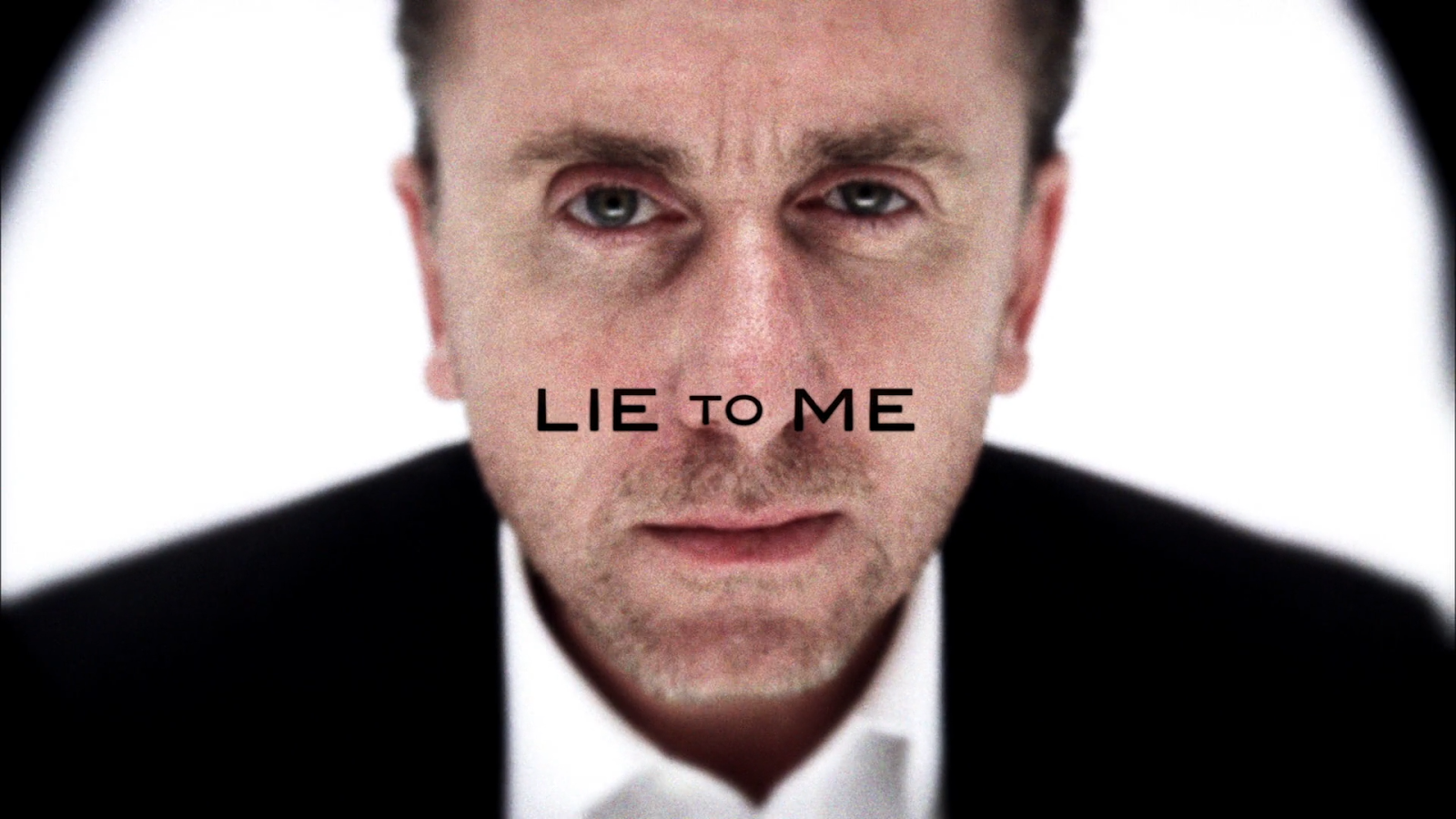
Leah was sensitive in asking whether it was difficult to talk about my past experiences. Reflecting on this, it gets easier the more that I do it, and honestly, it's not like a therapy session, so I don't end up crying all over her (I'm delighted to say, and I'm sure she's pretty pleased about that too!). I was saying to Mat this week that I don't want to become a broken record where depression is concerned. I do have other stuff going on. I'm most of the way through watching Lie To Me and contemplating The Good Wife and Scandal as the next box set-cum-Netflix-must-watch.

Bed bound and Netflix-addict. Thank you Tim Roth.

The difference in talking this time was that this was a recorded interview, rather than live. It was also a lot longer, so that my words can be chopped up into bite-sized segments describing my life experiences. I wonder how it will come out. I'm guessing about 20-30 seconds of content, so will be amazed if anything more is featured. That's TV, folks. They also took some footage of me 'doing something normal' for potential use in the segment.

Pete - awesome. Me - trying to look relaxed = not really relaxed!

Luckily the suggestion of me making tea was ditched in favour of me reading a book. I did make them tea - the poor two had travelled all the way from east London to Teddington and it took them nearly three hours. Perhaps a neat Scotch would have been more appropriate! But I don't drink it, or coffee. (I know, English, you're ENGLISH. Must drink tea...but I'm sorry to say that I'm letting the nation down, one de-caffeinated diet coke and orange squash, or glass of Veuve, at a time.)

 So we opted for me reading a book. I couldn't undertake this exercise in our personal gargantuan library without choosing my very favourite book, Possession, by A.S. Byatt. This is worth a blog in itself, or a book, or more, but suffice to say that I felt almost relaxed (almost) with a camera being poked in my face as I turned the page on cue and made sure I quickly moved on from a page where the (surely pre-watershed embargoed) word 'penis' appeared!

Time for a relaxing read. Just me and my camera crew.

 After all that time to get over here it was all worth it in terms of the tidying and cleaning. Everyone who sent me a get well card - look out for your cards in the background, and thanks again! You know what my favourite book is now, you can tell I need a manicure (possibly, if they use that shot) and I got to meet two great professionals - presenter and film expert - in the process. It just goes to say that depression can lead you to new and positive things. I really hope that the end product - to be broadcast on Tuesday 25th November to coincide with the Economist's "Global Crisis of Depression" conference. I believe we have to keep talking about this. But for now, I'll take a rest and wish you all a very healthy weekend. Get some rest and get out there if it's not raining...take care, most of all.

Camera lighting is very cool. Just saying.

Tuesday, 18 November 2014

Nothing Munch To Worry About: The Serious Cost of Mental illness

Whether he's hearing a scream, or screaming, there's definitely something to scream about

I feel bad about my own worrying. I mean, what do I have to worry about compared to most? Not only do I not have Ebola, but I'm not involved with the Band Aid umpteenth revival.

This week, in creative writing class, we had to write about something which interested us (no prizes for guessing what I chose), and then write a piece about it, using facts we found through research. Below is my offering. I think it's more Comment is Free than me, in terms of style, but I do believe that worrying too much is dangerous. Even if I am a first class worrier. And I'm going to try hard not to worry about that.

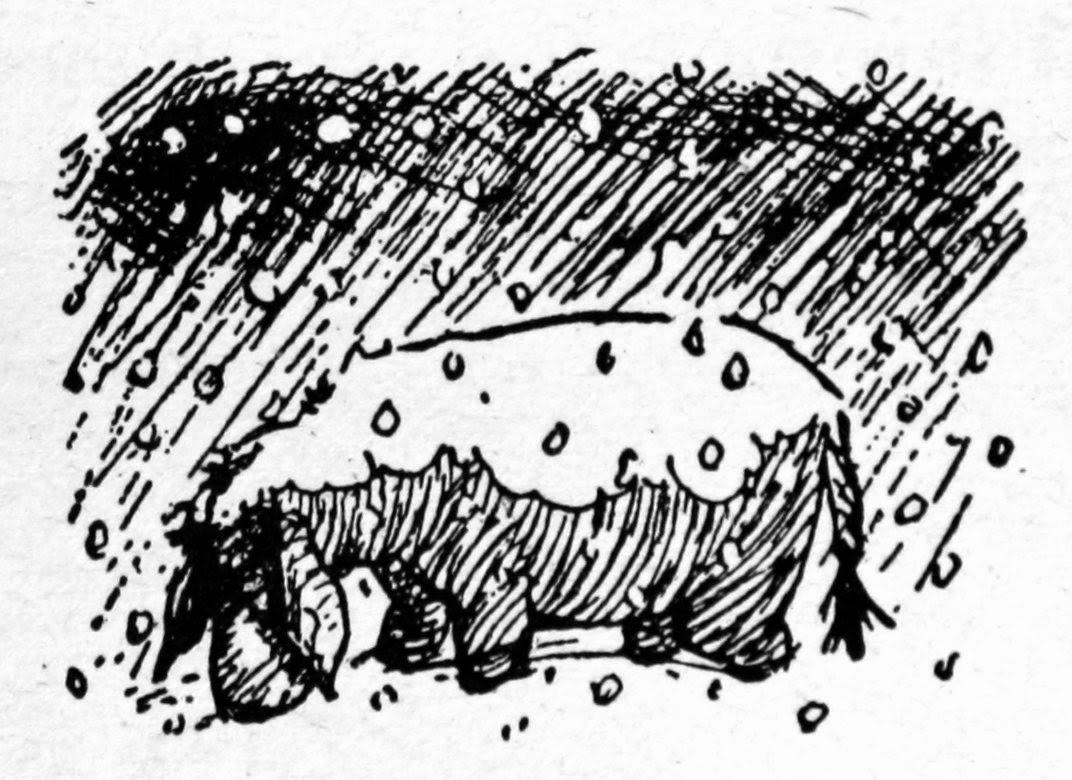
"It's snowing still," said Eeyore gloomily.
"So it is."
"And freezing."
"Is it?"
"Yes," said Eeyore. "However," he said, brightening up a little, "we haven't had an earthquake lately."

Worries are something few of us can say we’ve never experienced from time to time. In the past few years, worries have come easily to us Brits more than ever before as uncertainty abounds: the economic situation is insecure; we have – at best – a shaky government. 

At work, redundancies have been common and the future seems less sure than ever, which leads to money worries with little or no job security or secure future for ourselves and our families.

O, that this too too solid flesh would melt, thaw and resolve itself into a dew! - Sing it, Hamlet

Those retired from work are, for the first time in many cases, seeing their children in a worse economic situation than they were in themselves as young adults. Things are tough whether you’re eighteen or eighty, but no less so than for the working population, who are juggling national and personal challenges with one very full pair of hands. Knowing this, it can’t be a surprise that this might have affected how many worries the average person experiences, and only a step farther to understand that ongoing worries might lead to illness and absence from work.

In the UK, 1 in 4 people suffer from mental illnesses, myself one of those “ones in four”. Recently, the World Health Organisation has reported that four of the ten leading causes of disability in the US and other developed countries are mental disorders, and estimate that, by 2020, major depressive illness will be the leading cause of disability in the world for women and children[i]. 


Before this year, I had never taken time off work related to depression, despite having suffered from it at different points of my life during the last twenty or so years; when I did take time off work, I sometimes related my illness to other causes or sometimes I worked through my illness despite the debilitating nature of the condition on my sense of well-being. In this I exemplify another statistic: that university-educated professionals are less likely to take time off work when depressed, and, if they do, are reluctant to tell their employer the reason why[ii].


Talking to my friends and family members, it is amazing that the statistic is only one in four. Almost everyone I have spoken to has experienced some period of their life where worry has turned to stress or worse. But I never knew about their illnesses / worries before; and they never knew about mine. We were all keeping one big secret from one another.


Employers are required to support any employee returning to work after a period of illness, and to make what are called ‘reasonable adjustments’ during this time. In the light of our secrecy this is hard to fathom. Personally I just don’t know what a reasonable adjustment should be – maybe don’t mark me down as a failure at my job if my eyes tear up in the office one day? Treat me as totally normal is probably the best thing I can think of.

These reasonable adjustments, though, and more direct action to help workers suffering with some kind of mental illness, are imperative for employers to take action on. In Europe, depression is said to cost workplaces £77 billion annually, with the greatest economic loss coming through absenteeism and lost productivity, according to a recent report by the London School of Economics and Political Science (LSE), and King’s College London[iii]. 

Many employers have publicly taken steps to pledge their commitment to addressing mental health, through signing the Time to Change pledge to end the mental health stigma and by founding the City of London Mental Health Alliance. This is a start – and only a start – to helping employees know that the companies for whom they work want to support them (and this makes sense. It's not as if doctors have an instant cure; partly why there's so much mystery around mental health).


Further, employers are starting to focus on mental health as a priority topic among the other ‘inclusion and diversity’ focuses, and many like my own employer, have set targets to address mental health awareness and support within their own organisations.

None of this stops me worrying – well – a little, but no more, nor enables me to ditch the medication and the therapy for depression in one fell swoop. However, knowing the statistics tells me my employer has as much to be worried about as I do. It must act to resolve its own, similar worries about an insecure future and potential financial loss. It makes economic sense to do so. Organisations and their employees have to work together to keep going amid the uncertainties that we all continue to face. It remains to be seen which organisations (and employees) will embrace the challenge and come through it stronger.

Seriously, though, we need to worry less!

[i] http://www.nami.org/template.cfm?section=about_mental_illness National Alliance for Mental illness